
In this article, you will discover: How a trustee can be removed under New York law. Warning signs that a trustee may be mismanaging a trust. What happens to the trust’s assets after a trustee is removed. Can A Trustee Legally Be Removed Under New York Trust And Estate Law? Trustees have a fiduciary duty to the beneficiaries. There's a host of different grounds or breaches of that duty for which you can remove a trustee. Reasons For Removing A Trustee You may want to remove a trustee if you have reason to believe they are: Benefiting themselves by stealing or self-dealing Blatantly refusing to…Read More

Keeping The Process Organized And On Track Staying organized during probate often comes down to having the right support and being realistic about your own capacity. For many executors, this is their first time handling an estate. Attorneys can keep the process moving, ensure deadlines are met, and guide clients through the steps, from filing court papers to managing distributions. Some clients choose to take over once they are appointed as executor, and that’s fine, but it often leads to delays. It’s not uncommon for someone to return months later, saying they couldn’t keep up and now want the attorney to take over. Self-awareness is…Read More

In this article, you will discover: When beneficiaries must be notified after a trust grantor dies in New York. The documents a trustee needs to gather after a grantor’s death. The notice a trustee is required to send to creditors after a grantor’s death. When Must A Trustee Notify Beneficiaries After A Grantor’s Death? The case law states that a trustee must notify beneficiaries as soon as reasonably possible. While there's no actual ticking clock, there’s a lot for the trustee to do. Being a trustee is not just an honor; it's a high-stakes job with a strict to-do list. Therefore, the sooner you notify…Read More

The Origins Of Probate Conflict Family conflict often reaches its peak in the early stages of probate, and family disputes during probate in New York can be especially intense when someone believes a relative has taken money or belongings before the legal process even begins. These situations blend grief, suspicion, and longstanding family tensions, placing executors in the challenging position of sorting out what truly happened and determining how to respond. Below, we’ll explore different types of conflict, how the law treats difficult or uncooperative heirs, and the tools available to challenge suspicious transfers or recover property. When A Family Member Takes Assets Before Probate…Read More

Avoid Costly Mistakes During Probate With An Attorney Probate is an old, deeply traditional process, one that hasn’t changed much in hundreds of years. The forms, procedures, requirements, and expectations are rooted in history, and navigating them without experience can easily lead to delays, errors, or financial consequences. Attorneys help executors avoid these problems in several ways: Knowing exactly what the court needs and what it doesn’t, so nothing unnecessary is filed and nothing essential is missed Preventing improper distributions, such as giving out money early or paying bills that shouldn’t be paid Spotting scams or questionable claims, which are more common than most people…Read More

The Value Of Preparedness And Quality Legal Help Working with an experienced guide can make an enormous difference when navigating the probate process, and at Hyl Conte Law, PLLC we’ve seen firsthand how much smoother things go when clients understand what to expect from the start. What You Need To Know Before Starting Probate Probate takes time, likely longer than you’ll expect. That’s why patience is essential. Nothing moves as quickly or as smoothly as you think it should, and the process is far more rigid and procedural than most people realize. Even if the will clearly states what the decedent wanted, you can’t simply…Read More

Assets Subject To Probate Generally, only assets held solely in your name, with no joint owner and no beneficiary designation, are subject to probate. These are the assets that legally require court oversight to determine who inherits them and to authorize someone to handle them. This includes: Individually owned bank or investment accounts without beneficiaries Real estate held solely in your name Personal property, from vehicles to jewelry, collectibles, and household items, that are not owned jointly However, several types of assets bypass probate entirely. For example, real estate with special deed planning, such as life estate deeds or New York’s newer transfer-on-death (TOD) deeds,…Read More

In today’s world, our lives are deeply connected to the digital space, from storing photos on the cloud to email, online banking, and cryptocurrency. Yet many people overlook these items when creating an estate plan. That’s why digital assets estate planning in New York is no longer optional. It’s an essential part of protecting your legacy and ensuring loved ones can access important accounts and memories after you’re gone. In this article, we’ll cover… What types of data count as “digital assets”. Whether you can name someone to handle these accounts after you’re gone. The best ways to properly inventory and protect your digital assets.…Read More
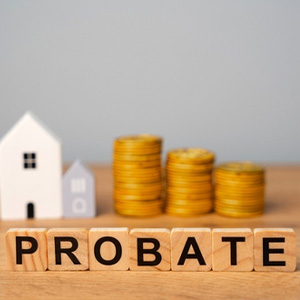
What Exactly Is Probate, And Why Does It Matter In New York? The probate process in New York is the means through which a person’s Last Will and Testament is validated by the court, and the executor named in that will is officially appointed. It’s a legal safeguard, not just a formality. Probate ensures the will is legitimate, that no one was coerced or taken advantage of, and that the right people are notified and given the opportunity to contest it if something seems off. A common misconception is that having a will avoids probate. In fact, it’s the opposite: your will is the document…Read More

The holidays can be a time of warmth, connection, and reflection, and sometimes, the perfect opportunity to have meaningful conversations about the future. For adult children, that often includes discussing estate planning for aging parents in New York. While these topics can feel uncomfortable, the goal shouldn’t be control. It should come from a place of love, protection, and peace of mind. In this article, we’ll explore… How to begin discussing estate planning thoughtfully and respectfully. The essential documents your older parents should have in place. Signs that your parents may need legal guidance sooner rather than later. How Can I Start Estate Planning Discussions…Read More


